
Beijing, China
颐和园 (Yíhéyuán) [Chinese]
頤和園 (Yíhéyuán) [Chinese]
众香界 (Jièxiāngzhòng) [Chinese traditional]
界香衆 (zhòngxiāngjiè) [Chinese simplified]
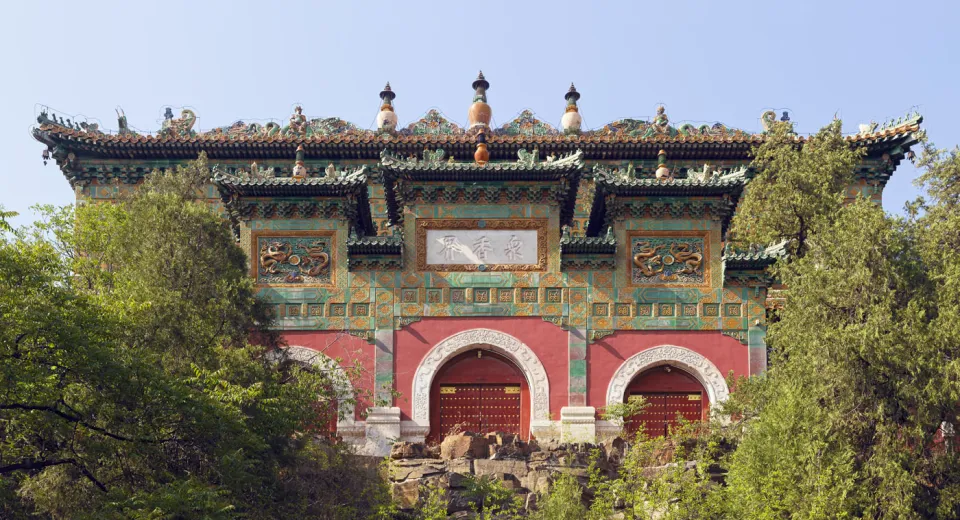
Architecture
Architecture: New Summer Palace
built
1751-1764
destroyed/demolished
-
destroyed by British-French troops during the Second Opium War
1900
Destruction again during the Boxer Rebellion
culture
style/period
work type
architect / constr. phase
1751-1764
Built under Emperor Qianlong as a gift for his mother's 60th birthday
1885-1895
Reconstruction under the initiative of Empress Dowager Cixi and the head of the Imperial Navy, Prince Yi Xuan
1902
Reconstruction after destruction during the Boxer Rebellion
patronage
Specifications
Specifications: New Summer Palace
area
2 970 000 m²
Geography
local language location name
北京 (Běijīng), 中国 (Zhōngguó) [Chinese]
historical affiliations
1764-1912
1912-1949
UNESCO World Heritage Site
type
cultural
criteria
I,
II,
III
designation
reference
880
Image characteristics
maximum image resolution
6,742 × 3,657 pixel
57.1 × 31.0 cm (300 dpi)
capture date
image processing
merged image,
perspective control,
colour corrected
copyrights
Benjamin Hemer
(contact@imaginoso.com (send an e-mail))